.png)
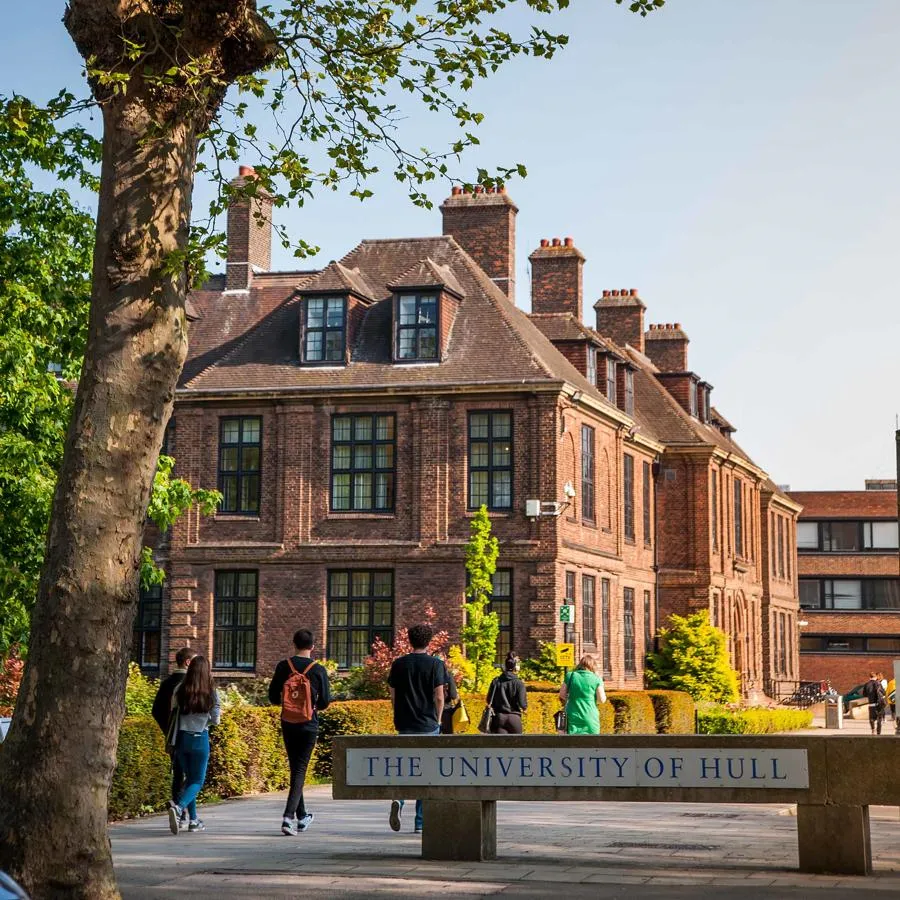
Hull's admissions team was not failing. It was doing everything correctly and still losing ground.
Hull's business case put two processes at an expected £527,113 a year, the equivalent of fifteen full time roles. One was verifying documents for international postgraduate applicants. The other was answering fee status queries.
Neither of them is the admissions decision. They are the steps an applicant waits through before anyone can make one. That wait lands on the applicants comparing offers, working to visa deadlines and least willing to sit and wait.
That combination produces a specific kind of failure, and it is not the one institutions usually plan for. Nothing breaks. The work still gets done. It just gets done slightly later each cycle, and in a recruitment market where speed to decision drives conversion, slightly later is how you lose applicants to institutions that were not better, only faster.
The team also faced the same constraint everyone faces. Application volumes were rising. Headcount was not. The department had to handle more of them without lowering standards and without extra budget.
Niico deployed admissions agents across six processes covering the applicant journey from document submission through to confirmation: PGT taught document verification for international applicants, fee status queries, conditional offer review and processing, interview and portfolio management, right to work and occupational health checks, and high volume admissions data workflows.
The agents handled data validation, email coordination and confirmation tasks in the background, running alongside the university's existing systems with no platform change and no migration. Across the six processes the average time saving reached 70 percent.
Document verification fell from eight hours to thirty minutes per cycle, a 94 percent reduction, on the process serving the cohort least tolerant of a slow response and most exposed to visa timelines. Conditional offers moved three times faster, shortening the gap between an applicant meeting their conditions and knowing they have a place.
High volume data workflows processed 10,000 records in under an hour. On confirmation weekend the agent handled more confirmations than the sixteen person team could manage manually, finished early on the Saturday, and released the team to move on to additional applicant confirmation work rather than sending them home late.
On the two processes with a full business case, the modelled return was £804,439 to £1,120,706 over three years, with a first year return of £258,146 to £363,569. That is a payback period of under four months on the conservative case, and under three on the optimistic one. None of it required additional headcount. None of it required a system change.


.png)
.png)


.png)