Insights, Case Studies, and Resources for Higher Education
Explore how institutions are improving conversion, retention, and operational efficiency using AI and automation
Featured
Read More
The EU AI Act Explained: A Practical Guide for Education Leaders
As AI becomes embedded across education, understanding the regulatory landscape is just as important as understanding the technology itself. This practical whitepaper helps technology, transformation and institutional leaders navigate the EU AI Act, understand its impact on education, and prepare their institution for responsible AI adoption. It is grounded in the latest guidance and designed to help you take practical action with confidence.
AI and Automation in Education Guide
Your 101 guide to AI and automation in education: AI and automation are rapidly reshaping education, creating new opportunities to improve efficiency, enhance the student experience, and reduce administrative burden. This practical guide provides technical leaders with a clear introduction to the core concepts, key technologies, and first steps for successfully adopting AI and automation across their institution.
.jpg)
Niico at the ARC Conference 2025: how automation is reshaping higher education operations
Niico joined leaders at the ARC Registrar Conference in Bristol to explore how automation is helping higher education institutions navigate resource pressures, LLE complexity, and growing operational demands.

How to boost your institution’s application with seamless MFA integration
Universities and educational institutions are prime targets for cyber threats, making robust security measures more essential than ever, making Multi-Factor Authentication (MFA) a key solution in safeguarding sensitive student and institutional data.
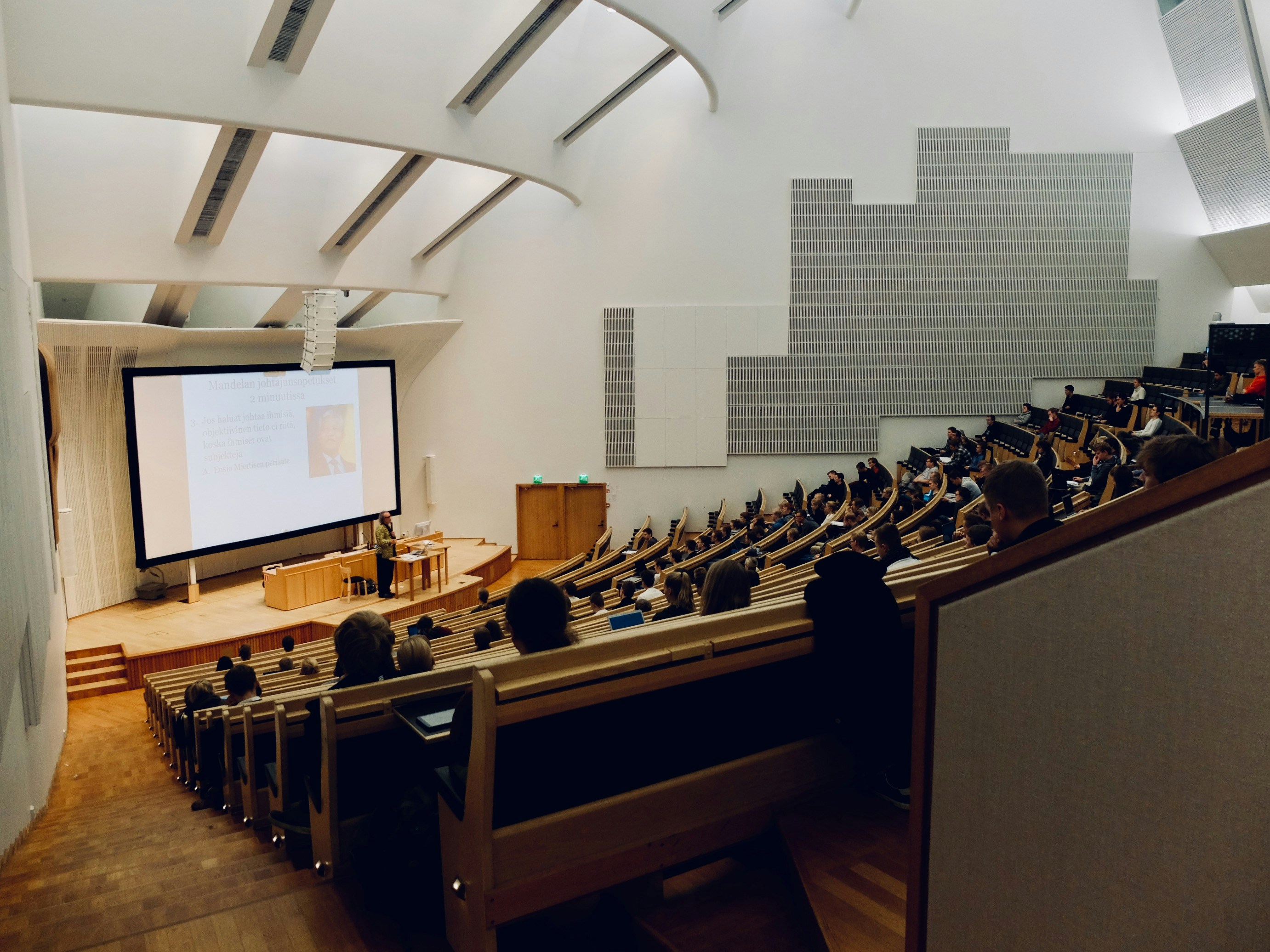
Why student enquiries are swamping your teams (and how to fix it with AI)
Discover how Niico's conversational AI assistant, KIRA, helps universities automate student enquiries, reduce admin workload, and deliver faster, smarter support.

Anglia Ruskin University collaborates with Niico to enhance student experience
East Anglia Higher Education Institution, Anglia Ruskin University, has formed a new collaboration with advanced AI & Automation platform, Niico to improve operational efficiencies and enhance its student experience.
How the UK Government’s AI action plan encourages higher education to embrace AI
With the support of initiatives like AI Growth Zones and Niico’s pioneering solutions, higher education institutions have the tools to lead this transformation and create a brighter future for students, researchers, and communities alike.

Streamlining education admissions with automation
In this article, we’ll take a closer look at how universities can alleviate these challenges by adopting automation technologies that streamline the admissions process.

How eVisa share codes are changing international admissions for UK universities
In this article, we’ll explain what the Share Code is, how it affects your university, and how to manage this new requirement efficiently.
.jpg)
How intelligent automation is delivering cost-savings to UK universities
The ongoing cost of living crisis has meant many families are opting out of sending their children to university, while the Government has freed up £15 million in funding to assist universities with supporting students.

5 ways intelligent automation can transform your finance function
How can intelligent automation help you transform your finance function, and allow it to deliver the greatest value to the business?
.jpg)
How intelligent automation can transform student experience in higher education
Post-pandemic, we have seen workplaces bounce back in new and innovative ways with the use of technologies such as automation.

How intelligent automation saves time and costs while boosting staff productivity
Businesses have been automating tasks and processes for decades, but with the advent of artificial intelligence, the scope for automation has never been broader.

Admissions 2030
How automated, responsive, conversational, predictive and deeply personalised systems will redefine the way universities attract, assess and convert applicants — and what admissions leaders should do now.
.jpeg)
University of Manchester
UKVI share code verification automated across around 16,000 checks a year. Handling time fell from ten minutes to one, with the student record system updated automatically.

London South Bank University
Three agents supporting enrolment and visa compliance, live inside a two week window. More than 80,500 cases handled and around 8,050 hours saved.

King's College London
Two agents supporting time critical admissions decisions. Confirmation handled in a third of the time across around 10,000 cases a year, and 56,000 A Level assessments reviewed in under a minute each.
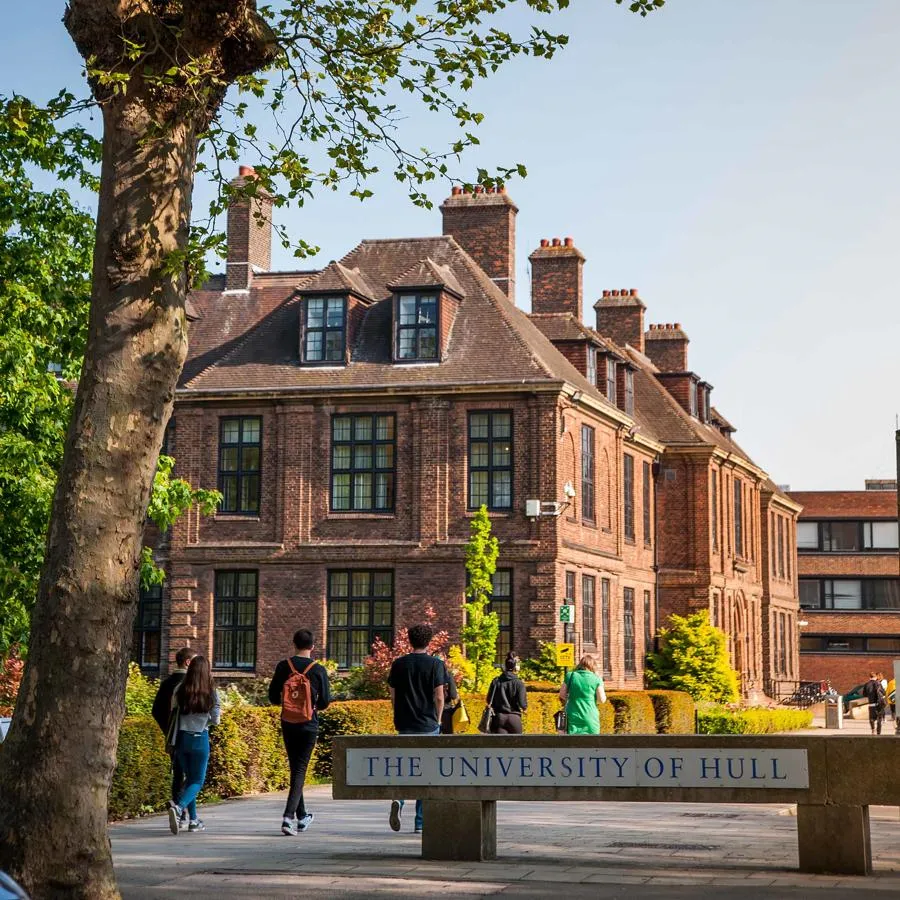
University of Hull
Hull's business case put two admissions processes at an expected £527,113 a year and fifteen full time roles. Document verification fell from eight hours to thirty minutes, with payback modelled at under four months.
Eastern Education Group
Eastern Education Group used Niico to schedule 400 interviews in 7 hours, saving a week of manual work and improving enrolment
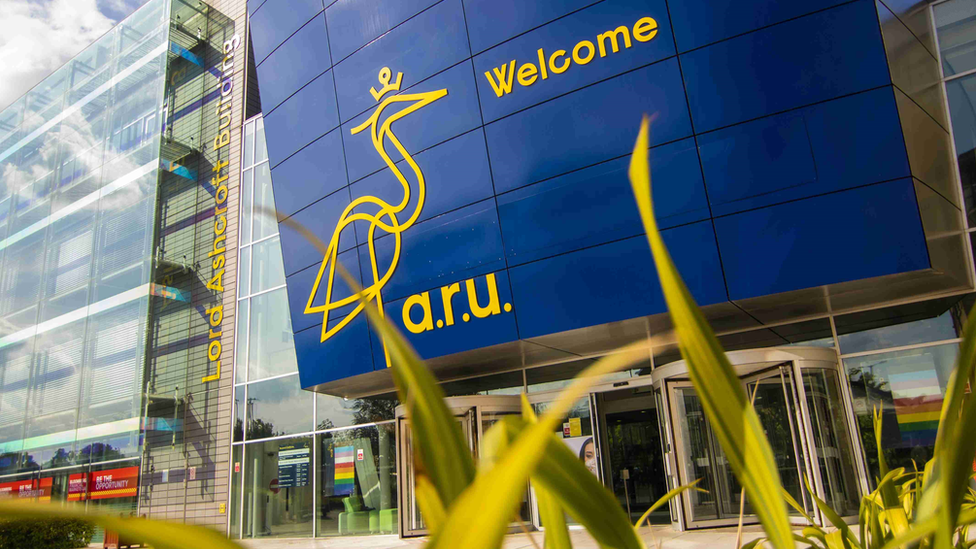
Anglia Ruskin University
Twenty one processes automated across six functions, addressing £1.23m a year of manual delivery cost. More than 39,051 staff hours saved since go live, with no system replaced.